
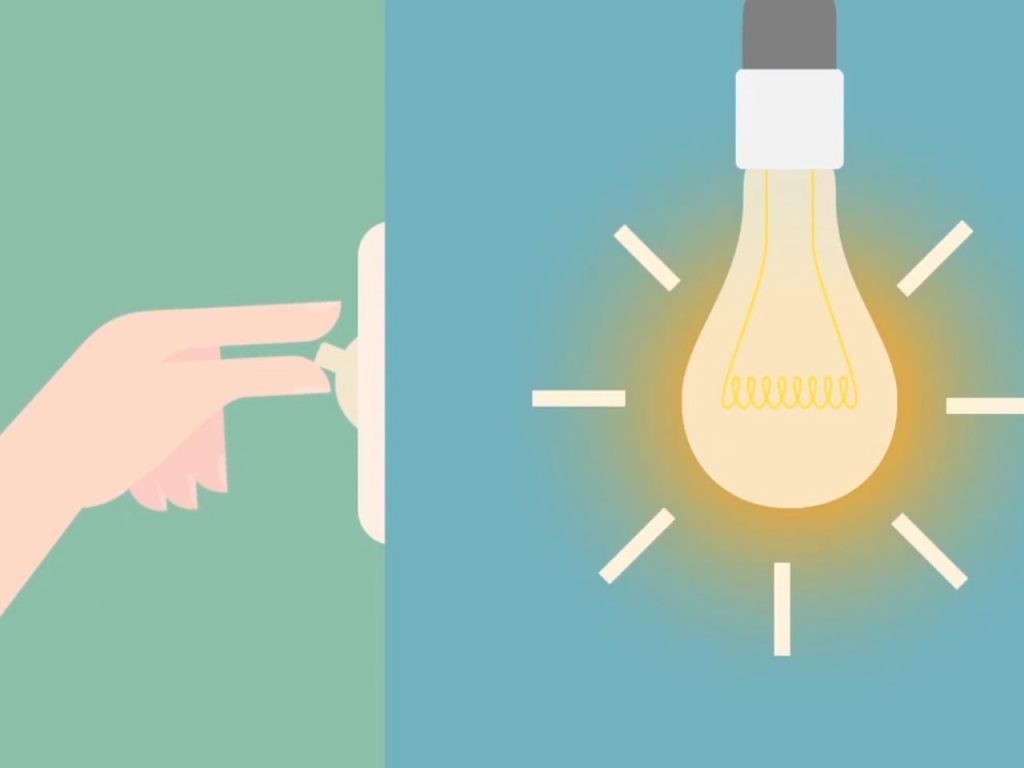

In micro-interactions in your e-commerce, the consumer must perform a task and earn a reward
Microinteractions are actions that aim to transform everyday tasks, such as clicking a button, receiving an email, or entering an email address on a squeeze page , among others, into engaging experiences for the consumer. It's a feature you can use in your online store and e-commerce blog.
A very practical example of micro-interaction is what Facebook has done with the word “congratulations” which, when written on any timeline, generates an animation with balloons and festive props that “explodes” on the screen of the person who posted it. With this, it is expected that the user will feel motivated to write “congratulations” more often to receive the reward, which is the animation with the balloons”.
According to author Dan Saffer in his book " Microinteractions ," using this feature requires four steps, which can be easily identified in the example of the word "congratulations" on Facebook. These steps are:
• Step 1 – trigger:
It is the event that initiates the micro-interaction, which can be the click of a button, the insertion of a comment in a blog, the sharing of a post, the publication of a product evaluation, the conclusion of a registration in your virtual store. , Among other things.
• Step 2 - rules:
The key is that you define what should happen after the consumer triggers the "summary" explained in the previous section. Will you show an animation? Ask the consumer to rate another product? Give them a code to participate in a product giveaway on your store's fan page ? With a little creativity, you can create millions of rules for your micro-interactions.
• Step 3 – return:
It is the reward that the consumer or user receives after firing the “trigger”, which can be a pleasant sound, a funny animation, a smartphone vibration, etc. The more pleasurable and/or addictive this experience is, the more the consumer will be tempted to do it again.
• Step 4 – loop:
It is the instruction that causes the consumer to repeat or move on to the next micro-interaction, which creates a succession of micro-interactions that keep the consumer engaged with your online store or e-commerce blog, in a process similar to the gamification of e-commerce content.
Advantages of micro-interactions for your online store
By intelligently applying micro-interactions to your e-commerce media, you can reap benefits such as:
• Consumer loyalty through small rewards;
• Creation of habits that lead consumers to buy more;
• Encouraging consumers to engage in various types of conversions ;
• Facilitating actions such as joining an email marketing list.
You can use micro-interactions in multiple processes of your e-commerce business, such as at each stage of the Buyer's Journey or in the phases of so-called micro-moments . Remember, however, that micro-interactions should be subtle. Experiment! Find your own way!


