
In Inbound Marketing, lead segmentation is a process of classifying leads based on specific parameters. This classification allows you to create personalized Marketing strategies for groups of leads with common characteristics and, in this way, qualify them and lead them to purchases more conveniently.
Inbound Marketing in E-commerce
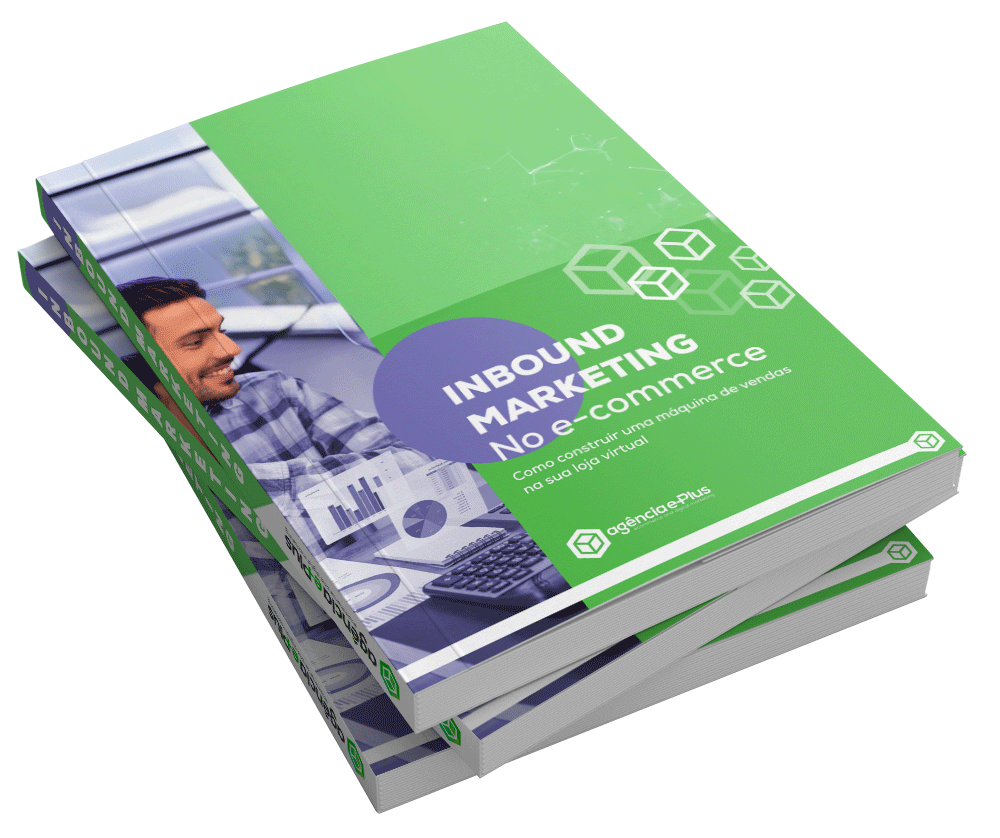
Click the button below to download the free e-book "Inbound Marketing for E-commerce" produced by Agência e-Plus!
Just to remind you, a lead is a customer who has provided you with information such as their name and email address immediately after registering on one of your lead capture forms or squeeze pages . Therefore, it's a special type of customer who has placed their trust in your brand and demonstrated initial interest in buying your product.
When you only have a few leads, it's very easy to rank them. However, as your list grows, this process becomes more time-consuming and painful to do manually. This is where marketing automation software comes in, allowing you to segment leads automatically.
Here at e-Plus Agency, for example, we use RD Station software to segment and manage leads for our e-commerce clients. This system allows us to classify leads and send personalized messages to each group, which undoubtedly improves sales conversion rates.
HOW TO SEGMENT LEADS IN E-COMMERCE
As said, the first step in doing lead segmentation is renting Marketing automation software like RD Station. Then, you must integrate this software into the e-commerce platform that you use to manage your online store. From there, you will be able to capture and segment leads according to various parameters, such as:
Behavior:
Software like RD Station has a feature called Lead Tracking , which allows you to monitor customer behavior in your online store. This makes it possible to group customers who perform common actions, such as opening a specific sales page, accessing a blog post, or clicking a particular button, for example.
Punctuation:
The RD Station system also features a tool called Lead Scoring , which generates a score for each lead based on the actions they take within your e-commerce platform. This allows you to deliver personalized messages to leads grouped with similar scores.
Profile:
When capturing leads you can also capture data such as profession, category of company you work for, age group, gender, school level, location, etc. Then, you can segment the leads based on these parameters. For example, create a group of 45-year-old leads and send them personalized messages.
Lead segmentation provides several advantages for e-commerces like yours. Well, check out some of them. Keep reading!
ADVANTAGES OF LEAD SEGMENTATION
When doing lead segmentation you can, for example:
Sort and forward:
Separate consumer groups by parameters such as profile and behavior. Also, find out which consumers are most ready to buy and pass them on to a seller or direct them to a sales page on your online store.
Create nutrition flows:
Segment your customers and produce customized email marketing messages for each group. Create message flows to nurture leads . In effect, reach each lead with the right message, at the right time, and in the right way, thus educating them in a personalized way for their purchases.
Increase efficiency:
Avoid sending the same message to your entire Email Marketing list. Instead, segment them into groups and send personalized messages to each. In this way, obtain greater efficiency in communication and greater sales conversion in your e-commerce.
Segmentation, therefore, allows you to route leads, reach consumers with personalized messages, and generate more sales. With it you can automate your Marketing campaigns and generate much better results.
As soon as you can, click on “ 10 advantages of Inbound Marketing ” and read a complementary post!