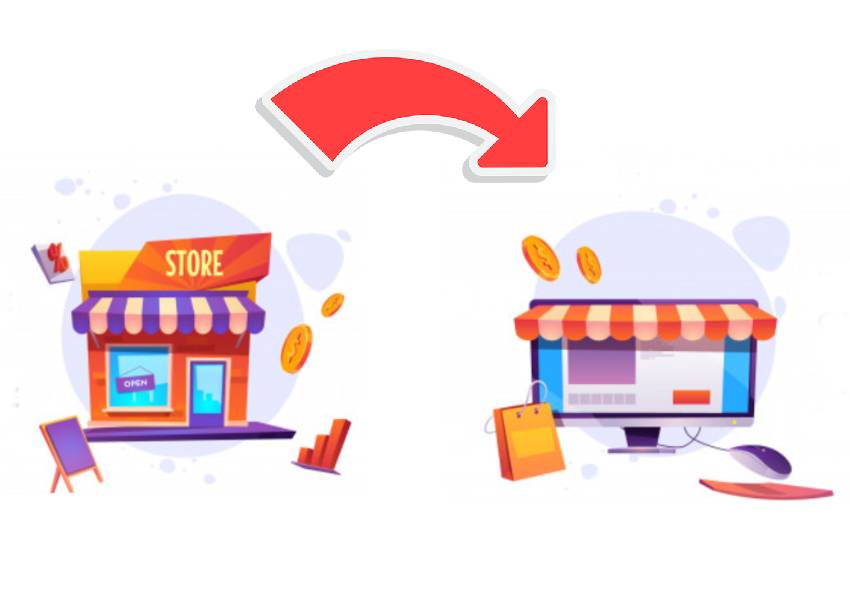
Since the beginning of the Covid-19 pandemic, there has been a high migration from consumption to digital in Brazil. So says a Google study published in Think with a few days ago. Check out in this post some important data from this report!
As soon as you can, also click on “ How to use Performance Marketing during the Covid-19 crisis ”.
CONSUMPTION MIGRATION TO DIGITAL ACCORDING TO GOOGLE
Published in September by Gabriela Arthur and Keiko Mori on Think with, a Google report reveals that throughout the Covid-19 pandemic there was a significant shift in consumption towards digital channels in Brazil.
According to that report, in 150 days e-commerce evolved what it could only have done in decades. Especially in the last six months, with the increase in online shopping, retail has become much more digital.
In percentage numbers, the Google study shows that, in the mentioned time:
- 112% was the increase in online orders;
- 104% was the increase in e-commerce revenue;
- 24,2% was the participation of new e-shoppers on total sales;
- 74% of financial transactions were made via digital channels;
- 85% of payments made in apps were via digital wallets.
In addition, it is worth mentioning that the amount of payments made by digital means has grown fivefold in the meantime. The study also shows that at least one virtual store was created per minute between March and June 2020, in a total of 107 thousand new stores (data from ABComm).
TOP SEARCHES ON GOOGLE DURING COVID-19 QUARANTINE
According to the Google study, the main searches made by internet users in its search engine during the Covid-19 quarantine were:
- birthday on the internet
- Online therapy
- Mass on the internet
- Virtual Museums
- digital denunciation
- exercise at home
- homeschooling
- Lives on Youtube
The main increases recorded in searches were the following:
- Perfumery online
- baby stores online
- Renault delivery
- Online aviation stores
- easter eggs online
- pajama stores online
- hortifruti delivery
Anyway, the categories that grew the most in Google searches were these:
- E-commerce marketplace online and offline
- Home and Garden E-commerce
- Food retail (markets)
- E-commerce home appliance industry (D2C)
- delivery apps
- beauty e-commerce
- fashion e-commerce
- Education
- E-commerce technology industry (D2C)
- sports e-commerce
As you can see, e-commerces of beauty, fashion, sports, appliances, Home and Garden have been high in searches in recent months. In addition, the marketplaces (theme of the next topic) have also become much stronger.
MARKETPPLACES ARE MORE ROBUST
With the pandemic and the quarantines, small and medium-sized clothing, footwear, restaurants and beverage stores began to offer their products on marketplaces. Large platforms such as Magalu, Americanas, Mercado Livre and Dafiti welcomed these new sellers.
Magazine Luiza, for example, implemented the Parceiro Magalu project, for small and medium-sized retailers. Two weeks after the project was announced, Magalu registered more than 20 thousand new sellers. This made the company jump from 15 to 35 salespeople.
IMPORTANCE OF DYNAMIC ADS
As seen in the previous topic, the agile migration from retail to digital helped to increase the number of marketplaces, but not only that. It also made them fuller, that is, with more sellers and more items for sale. In this scenario, it is worth mentioning the importance of dynamic ads.
Dynamic ads are the type that have titles and destination URLs that change automatically, according to what the internet user is searching for. They are especially recommended for companies that have a lot of products in their catalogue.
How do they work? Well, let's say your online store has 10.000 items for sale. So, you register these items by categories. Then, when an internet user does a search on the search engine, Google adapts the ad title to the keyword searched.
One of the companies that has been very successful with this type of ad throughout the pandemic, according to the Google Think with report, is Riachuelo. With this strategy, the retail chain filled in keyword gaps that are often not used when the process is manual.
Thus, Riachuelo took the lead in terms of searches for online fashion brands in April. It was the first time this had happened in the company's history. In addition, the sales forecast for this year is now five times higher.
As soon as you can, also click on “ 10 changes in e-commerce after the pandemic ”. This way, you can learn more about how Covid-19 is accelerating online sales in Brazil.