Digital Marketing and e-commerce seem to have been made for each other. In this context, the first basically aims at the systematic dissemination and generation of visits so that the second, through a virtual store, can make sales 24 hours a day. This is the fundamental formula for your success in this sector of activity.
Watch out! In Brazil, for every 100 unique visitors to an online store, only 1 makes a purchase. The Average Ticket for these purchases is around R$ 400,00 each. So, if you want to make 10 sales and thus earn BRL 4.000,00 daily, you will need 1.000 unique visitors a day.
Anyway, this is the time when you ask: “Okay, but how do I get so many visits?”. The answer is simple: with Digital Marketing, of course.
Digital Marketing and e-commerce: techniques to get visits
Find out below, and use daily to get visits to your virtual store, 7 Digital Marketing and e-commerce techniques (click on the green links in the titles to learn more):
1 - Sponsored links for e-commerce:
Sponsored links for e-commerce are one of the most used Digital Marketing techniques on the market to generate visits. They are powerful allies for an e-commerce manager like you, as they generate ads and visits instantly.
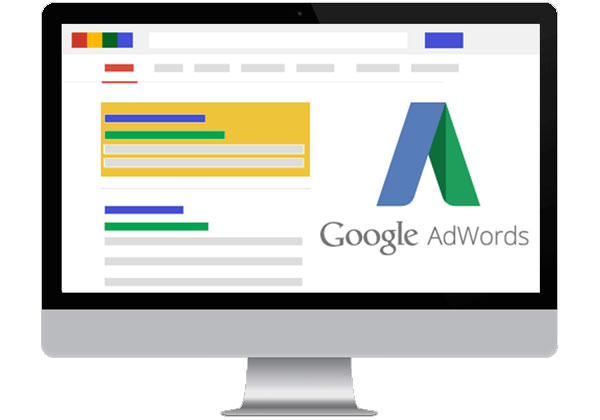
In other words, when you set up a sponsored links campaign on a platform like Google Ads, for example, the resulting ads start to appear in search results within seconds.
This way, internet users who see your ads in the organic results of search engines can click on them. Then, if your links are correct, internet users will be taken to the sales pages of your online store.
Imagine that you can drive 100 unique visitors to your sales pages in one day. In this case, as stated at the beginning of this text, you will certainly be able to make at least 1 sale. Bingo!
2 - Social Media Ads:
It turns out that making one sale a day alone may not be enough to keep your online store running. Of course, you will need more visitors so that you can sell more. So, how about using Social Media Ads?

A Social Media Ads is a feature similar to a sponsored link. The main difference is that it does not work in search engines, but within social networks such as Facebook, Twitter and LinkedIn, among others.
Therefore, when creating a campaign using a platform such as Facebook Ads, for example, your ads are only served within this network. As with sponsored links, it is possible to segment the audience.
Finally, when your ads appear on the timelines of people in the target audience of the campaign, some of them will click on them and will be redirected to your online store's sales pages. The result of this is more sales for your business.
3 - e-commerce SEO:
SEO e-commerce encompasses a set of techniques aimed at obtaining the best possible ranking of pages in search engines such as Bing, Yahoo and Google.
And what pages exactly would those be? These are mainly the sales pages of your online store, which you will use to market your products. In addition, you can also use the SEO features on the store's category pages.
- As soon as you can, read also: “Linx Microvix: integrate your store network with e-commerce"
If, like Casas Bahia and Extra, your online store has a blog, then it is important to use SEO techniques on this and your pages/blog posts. You can use the same rules on your video channel.
This way, while the visitors you sent to your online store make purchases, the others who end up on your e-commerce blog can receive an incentive to sign up to your E-mail Marketing list, which I will discuss later.
4 - Video for e-commerce:
E-commerce video is a great way to present products to consumers. It allows you to showcase the appearance, features, benefits, and even test certain products. You can do this both in recordings and live.

Another positive aspect of video for e-commerce is that it can be presented by a digital influencer. This type of promoter has excellent credibility and a loyal audience that, in turn, can be referred to your virtual store.
In addition, many current platforms allow links to be inserted within videos. Consequently, these links can be directed to very specific sales pages and categories of your online store.
Finally, you can insert videos into your blog posts and thus generate more complete content, which will certainly get better rankings on Google. This way, you can get more visits to your blog and direct these visits to your store.
5 - Email Marketing for eCommerce:
Not all visitors to an online store are prepared to buy. Therefore, E-mail Marketing for e-commerce aims to educate or prepare these visitors to make at least one purchase.
To work with E-mail Marketing it is necessary to create an e-mail list. To do so, you must insert email capture forms on the pages of your online store and especially in the blog posts of your e-commerce blog.
Once you have a mailing list ready, you can send messages to subscribers. It is possible to inform them about features, advantages and ask questions about certain products that they are trying to learn more about.
- As soon as you can, read also: “Complete online store: 10 resources you can't miss"
As you can see, with E-mail Marketing you can encourage your subscribers to buy. So, if the conversion rate is 1% (1 sale for every 100 visitors), with Email Marketing it is possible to increase it to 2%, 3% or more.
6 - Price Comparators:
In the world of Digital Marketing and e-commerce, price comparators are sites that gather information about products available in various virtual stores. The websites Buscapé, Jacotei and Bondfaro, for example, are price comparators.
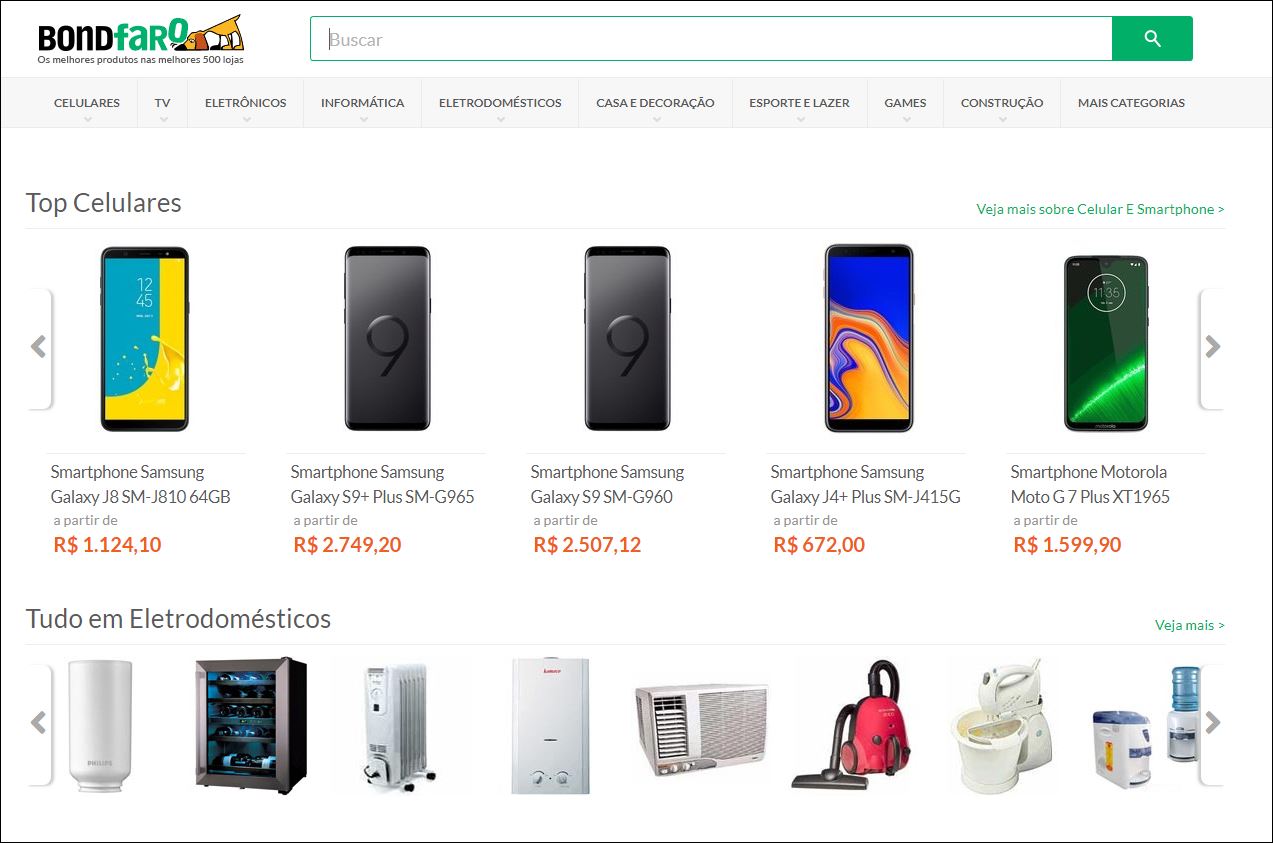
When a consumer goes to one of these sites, he can see which store is selling the product he wants at the lowest price. Then, just click on a link to be sent directly to the product page of the selected virtual store.
Well, can you see the importance of putting your online store sales pages on price comparators? Think about how many qualified visits, that is, from consumers in the final stage of purchase, will be able to reach your virtual store with this.
Not to mention that by using price comparators actively, your e-commerce business will start to appear side by side with other big players in the market. Like it or not, this will increase your store's credibility with the consumer.
7 - Ebooks for eCommerce:
E-book for e-commerce is content in digital book format that can be used to present various services and products to consumers who are undecided.

Imagine, for example, that you own an online pool table store. Now, how about writing an e-book about the advantages of having a table like this at home, in the company, in the association, in the club, etc.
In this specific e-book you will be able to teach how to play billiards and other similar games. And the most important thing is that it will be possible to present all the billiard table options of your online store and put links to your sales pages.
- As soon as you can, read also: “Largest e-commerces in Brazil are listed in the SBVC ranking"
This e-book, in turn, can be sold in your store or preferably distributed for free. Better yet, you can offer it on your e-commerce blog in exchange for the reader's email. This will grow your Email Marketing list.
Digital Marketing and e-commerce: how much to invest
The amount you should invest in Digital Marketing will depend on your e-commerce sales goals. That is, before knowing how much to invest, it is necessary to know how much you want to sell per day, month and year.
At the beginning of this text I mentioned 10 daily sales. Well, within this example you will need to get 1.000 unique visitors per day. The investment to conquer them will depend a lot on the type of business.
Certainly, marketing is more expensive for some businesses than for others. To give you an idea, a single click on a sponsored link via Google Ads for a drain cleaning company's service can cost over R$100,00, while a click to a product page on a computer website might cost just a few cents.
So do your math. Know how much you want to sell first and then you will be able to know how much you should spend on Marketing. Finally, when possible, increase your investment in Digital Marketing, as this will attract more visitors to your online store, which will allow you to grow.