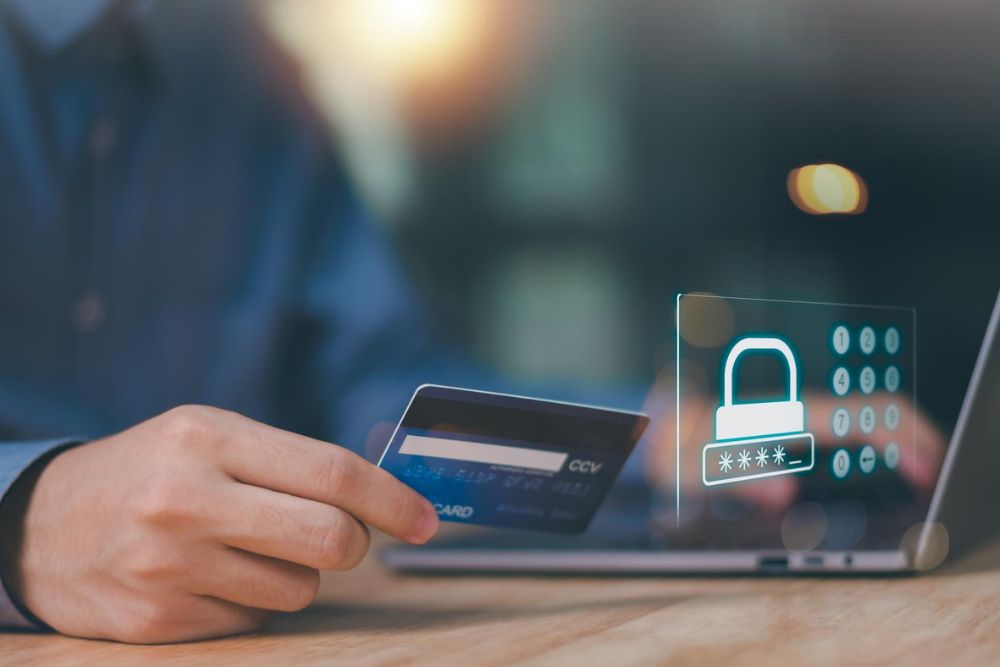
The Latin American digital payments market is undergoing a rapid transformation, driven by new consumer demands . Currently, speed in the final stage of the purchase is no longer just a competitive advantage, but a basic survival requirement for brands.
In this evolving scenario, tokenization stands out as one of the main technological trends in the financial sector , according to market data reported by the E-commerce Brasil portal . Therefore, mastering how this technology works is an essential step for professionals seeking to scale results and protect their operations.
WHAT YOU NEED TO KNOW ABOUT TOKENIZATION
- What is it: Tokenization is a security technology that replaces sensitive banking data (such as card numbers) with a unique, encrypted digital code called a token.
- How it works: During checkout, the system sends only this token through the payment networks, keeping the customer's real information completely hidden and protected.
- Impact on conversion: the system enables purchases with one click (one-click buyThis dramatically speeds up checkout and reduces cart abandonment rates;
- Security level: The technology eliminates the risk of financial data exposure in the event of cyberattacks and intrusions into the online store's servers;
- Automatic renewal: The solution allows for the updating of expired cards directly with the issuing networks, preventing errors and refusals in subscriptions and recurring purchases.
The Role of Tokenization in E-commerce Conversion Rates
In our experience implementing and scaling online stores at e-Plus, we've observed that friction at checkout remains the biggest obstacle to online sales . When users have to repeatedly enter their card numbers on each new visit, the friction generates immediate frustration. Consequently, the likelihood of abandonment increases substantially.
With the strategic adoption of tokenization, the merchant removes this barrier completely . The system saves the token in an extremely secure way after the first order. This allows the customer to complete their subsequent purchases instantly, often without needing to reach for their wallet. Furthermore, major marketplace platforms like VTEX and Shopify already natively support tokenized flows. This ensures a seamless and highly optimized customer journey.
Furthermore, the technology directly improves communication and trust with card issuers. Banks recognize and trust tokens validated within the ecosystem. As a result, order approval rates increase considerably . Therefore, e-commerce businesses can maximize their daily revenue without needing to inject more budget into traffic campaigns or paid media.
SECURITY AND DATA PROTECTION IN DIGITAL TRANSACTIONS
Firstly, information security has become a non-negotiable issue , especially in light of strict data protection laws (LGPD) . By using a tokenized ecosystem, e-commerce simply stops transacting and storing real card numbers. Instead, the internal server processes only random codes. Consequently, this data becomes completely useless to criminals in potential fraud attempts.
A common challenge in high-volume e-commerce projects is balancing the rigor of anti-fraud tools with the fluidity of sales. Often, overly sensitive security blocks end up barring legitimate buyers. However, token technology certifies the authenticity of the payment method right at the origin of the transaction . Thus, the operation reduces false declines and preserves the brand's reputation with the consumer.
Indeed, Visa 's recent analysis strongly reinforces this technological trend. The study highlights that the combination of artificial intelligence with tokenized solutions establishes an extremely secure and intelligent payment ecosystem . In this way, companies prevent complex fraud without impacting website loading times or purchase speed.
Understanding the different types of tokens on the market.
To structure an advanced operation, it's important to understand that there are different formats of this technology. Initially, we have the gateway token , which is generated directly by the acquiring bank or the store's partner payment provider . It facilitates future purchases within the same website, but remains restricted to that specific technology provider.
On the other hand, the global market is increasingly adopting the network token (card brand token) . In this advanced model, issuing companies such as Visa or Mastercard generate the code . Consequently, this token becomes universal and moves seamlessly throughout the financial ecosystem. In addition to increasing security, the network token is the format responsible for ensuring automatic updates for expired cards.
COMPARISON: TRADITIONAL CHECKOUT VS. TOKEN-IN CHECKOUT
| Feature | Traditional Checkout | Tokenized Checkout |
| Data entry | Required for all purchases | Only on your first purchase. |
| Storage | High risk (sensitive data) | Zero risk (tokens only) |
| Bank approval | Subject to false rejections and blocks. | High systemic approval rate |
| Recurring purchases | It will fail if the card expires or changes. | Automatic update by the issuing bank. |
| Speed (Friction) | Slow (high friction at checkout) | Instant (one-click buy) |
Strategic Impact on Retention Metrics
Finally, the continued use of this technology positively impacts advanced business metrics, going far beyond sales volume. In the long term, the absence of barriers to payment generates a much higher perceived value for the user . Consequently, the brand's Net Promoter Score (NPS) tends to grow organically, indicating greater customer satisfaction and loyalty.
Furthermore, in recurring purchase models or subscription clubs, the financial benefit is even more tangible. Because network tokens receive automatic updates from banks, the e-commerce platform does not lose the transaction if the physical card is canceled or expires. Therefore, the system renews the charge without requiring any corrective action from the customer. This drastically and immediately reduces the involuntary cancellation rate ( churn rate ).
Therefore, we invite you to explore other content on the e-Plus blog to continue refining your strategy.
FAQ – Frequently Asked Questions about Tokenization
What is tokenization in e-commerce?
Tokenization in e-commerce is an advanced security technology that replaces actual credit card data with a unique encrypted code. This token travels through payment networks, ensuring that the customer's banking information is not intercepted during the online transaction.
How does tokenization help reduce shopping cart abandonment?
Tokenization helps reduce shopping cart abandonment by enabling one - click checkout . Because the system securely stores the token on the first purchase, the customer doesn't need to re-enter their information, making future orders faster.
What is the difference between cryptography and tokenization?
Cryptography and tokenization are distinct security technologies. Cryptography alters data using a mathematical key that can be reversed. Tokenization, on the other hand, replaces the data with a random code that has no mathematical relationship to the original information, making it irreversible for criminals.
Does tokenized payment improve sales approval rates?
Yes, tokenized payments significantly improve sales approval rates. Because tokens are often generated and validated by the card networks themselves (network tokens), issuing banks have more confidence in the transaction, reducing fraud blocks and false declines.