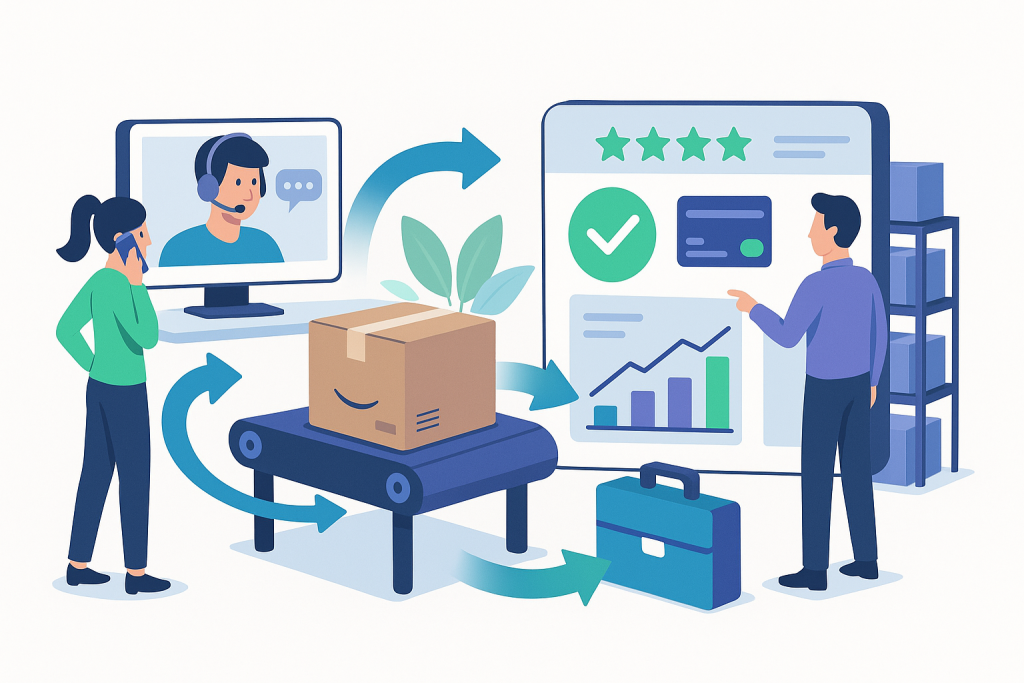
In the dynamic world of e-commerce, the customer experience doesn't end at checkout. On the contrary, after-sales service, especially managing exchanges and returns, is a critical moment in the customer journey and a decisive factor in customer loyalty.
A well-structured return policy not only meets legal requirements but also becomes a powerful competitive differentiator, capable of converting a potentially negative experience into an opportunity for delight.
However, the returns process involves complex challenges, ranging from reverse logistics to fraud prevention, such as chargebacks. Ignoring these aspects can result in significant financial losses and damage to your brand's reputation.
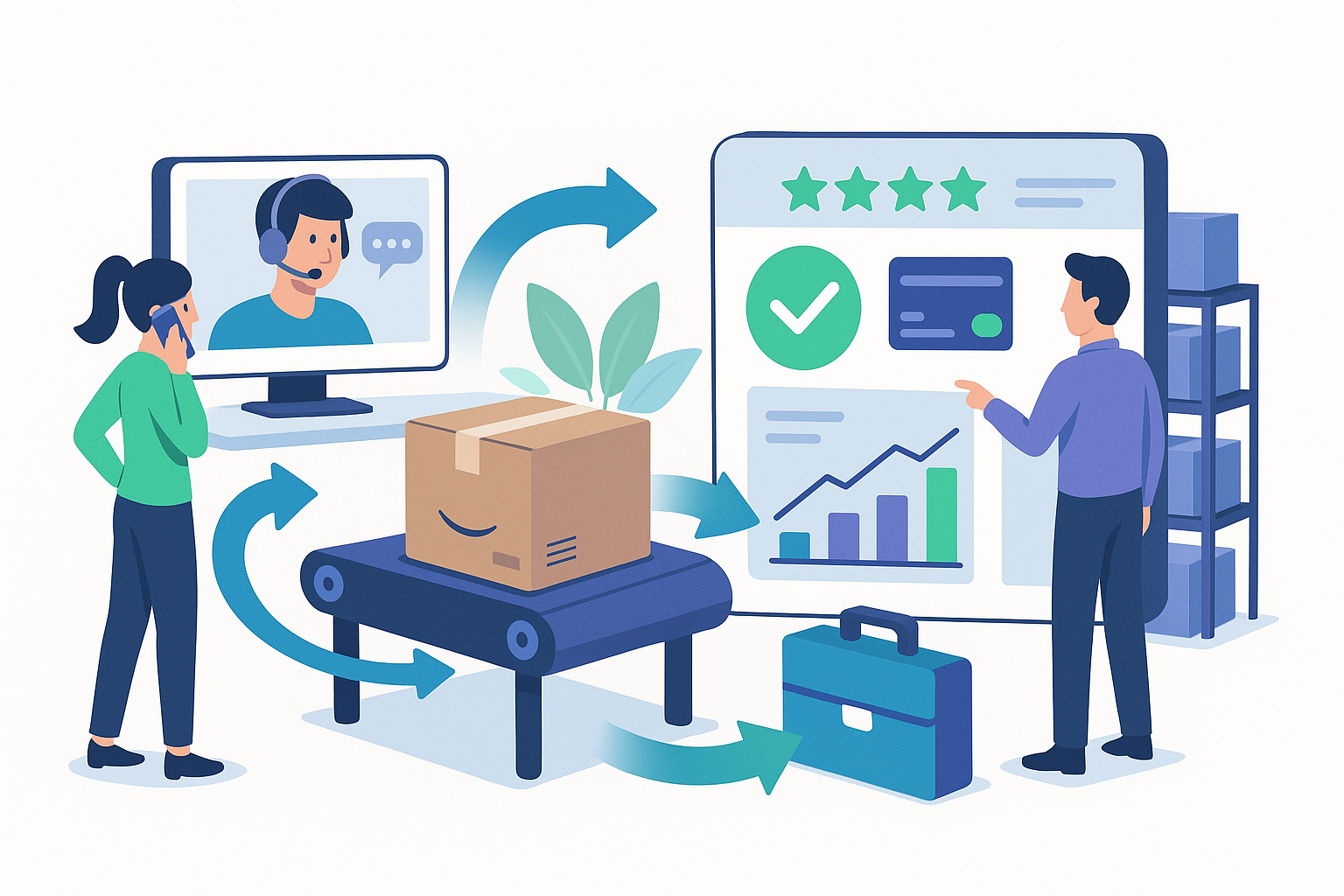
The importance of a clear and efficient return policy
A transparent and easy-to-follow return policy is the foundation for building trust with consumers. According to a PowerReviews survey, 81% of returns are due to damaged or defective products, while 75% are due to sizing issues.
This data reinforces the importance of reducing friction and offering agile solutions. A positive return experience can increase the likelihood of repeat purchases and increase customer lifetime value (LTV). Remember: the audience is the protagonist, and your brand is the guide that leads them to a satisfactory solution.
Understanding why consumers return products is essential to correcting defects and improving the shopping experience. A PowerReviews survey reveals the most common reasons:
| Reason for return | Percentage of occurrence |
| Damaged or defective item | 81 % |
| Item does not fit | 75 % |
| Item does not match description | 56 % |
| Item does not please the consumer | 33 % |
Source: PowerReviews
Strategies to optimize reverse logistics
Reverse logistics is the path a product takes from the customer to the distribution center. Optimizing this process is essential to reduce costs, improve delivery times, and maintain customer satisfaction.
There are three main operating models:
- Return to the distribution center
This is the most common model in purely online operations. The customer sends the product back, which is inspected, and if approved, the refund is processed. Automation with returns management software streamlines the process and reduces packaging use, also reducing environmental impact. - Returns in physical stores (omnichannel model)
For operations with a physical presence, allowing returns in stores is an excellent strategy. The product can be inspected on the spot and quickly reinstated, in addition to generating traffic to the point of sale, opening up space for new purchases. - Reverse logistics outsourcing (3PL)
Specialized partners can handle the entire operation, from receiving and inspection to product reintegration. This allows your company to focus on its core business while experts handle the logistical complexities.
Refund vs. Chargeback: Understand the Differences
Although both result in the customer receiving their money back, chargebacks and reversals are distinct processes with very different impacts for the merchant.
- Reversal it's a process friendly, in which the consumer requests a cancellation and the retailer refunds the money directly, without involving banks or brands. This usually occurs due to regret, incorrect product, or improper charge. Because it's a direct transaction, it doesn't generate additional costs beyond the refund amount, nor does it harm the store's reputation.
- Chargeback, on the other hand, is a formal dispute opened with the card operator. In 91% of cases it is associated with fraudulent transactions, in which the cardholder does not recognize the purchase. This process involves banks, card brands, and acquirers, and can result in fines, loss of sales value, and even de-accreditation of the merchant in recurring cases.
Best practices for preventing chargebacks
Prevention is always more efficient and less costly than contestation. Some essential measures include:
- Use a robust anti-fraud system
Risk analysis tools (such as those offered by payment intermediaries) cross-reference data and behavior patterns to identify suspicious purchases. - Keep policies clear and visible
Display a page dedicated to cancellation, exchange, and return policies. Transparency reduces misunderstandings and demonstrates good faith, which discourages undue disputes. - Diversify payment methods
Offering options such as bank slips and PIX reduces the incidence of fraud, as these transactions are more secure and have a lower chargeback rate. - Communicate clearly
Provide realistic delivery times and confirm receipt of the order. An accessible and proactive customer service channel is essential to avoid unnecessary disputes.
Strategies to reduce returns
Managing returns is important, but reducing them is even better. Some effective practices include:
- Accurate and complete descriptions
Ensure each product has detailed information about weight, dimensions, materials, and sizing guides. Describing product ingredients, dimensions, and including a sizing chart are simple pieces of information that can significantly reduce the number of returns. - 3D technology and augmented reality
Allow customers to realistically view the product before purchasing. - Secure packaging and shipping
Properly protect the product and meet promised deadlines. Tracking order status and keeping the customer informed throughout the process is also crucial.
Managing exchanges and returns efficiently is an art that balances customer satisfaction and business sustainability . A well-planned policy, coupled with optimized reverse logistics and solid chargeback prevention practices, not only protects revenue but also strengthens brand reputation. By adopting these best practices, your company transforms post-sales challenges into opportunities for growth and customer loyalty.
After-sales efficiency is what separates brands that simply sell from those that win loyal customers. Automating reverse logistics, integrating channels, and ensuring transparency at every stage of the return process is essential to maintaining a healthy operation and a impeccable reputation.
Talk to e-Plus and discover how to implement the best strategies to transform your exchange and return process into a competitive advantage for your e-commerce business.