
The news “Alibaba buys Kaola platform” for approximately US$ 2 billion quickly spreads across the internet.
According to Tech Crunch reporter Catherine Shu, the acquisition was completed on September 5th.
As a result, Alibaba now controls more than half of China's cross-border e-commerce market.
Below, learn more about the ramifications of this purchase.
Access and read the post “ Suppliers from China ” as well. Discover how to gain access to a Chinese business fair geared towards people like you who intend to import products and resell them in Brazil.
ALIBABA BUYS KAOLA PLATFORM AND GATHERS CONTROL 56,2% OF CHINA'S CROSS-BORDER MARKET
Tmall Global, owned by Alibaba, holds a 31,7% share of the Chinese cross-border market , according to data from Tech Crunch.
Kaola ( which until August 2019 belonged to the NetEase group), in turn, holds 24,5%.
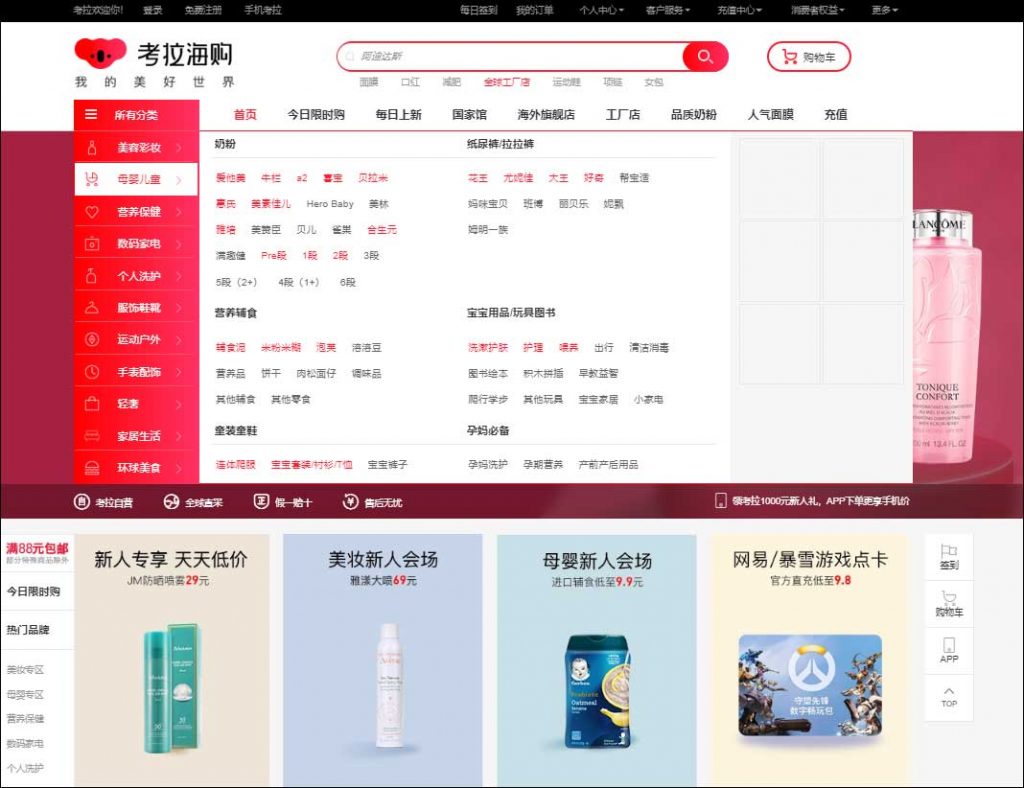
Thus, Tmall Global and Kaola are, respectively, the two largest cross-border e-commerce platforms in that country.
And now, with the acquisition of Kaola, Alibaba now dominates 56,2% of that market.
In this way, Jack Ma's company – who is being succeeded by Daniel Zhang – surpasses major competitors in the region such as Amazon China, JD Worldwide, and VIP International.
Finally, Kaola will then be subordinate to Tmall Global.
However, the operation of the brands will remain independent.
Be that as it may, an acquisition of this size deserved an opera to commemorate. And speaking of music…
ALIBABA INVESTS IN MUSIC
At the same time as announcing the purchase of Kaola, Alibaba informs that it will invest in music.
The company will disburse $700 million, which will be used to improve NetEase's streaming service.
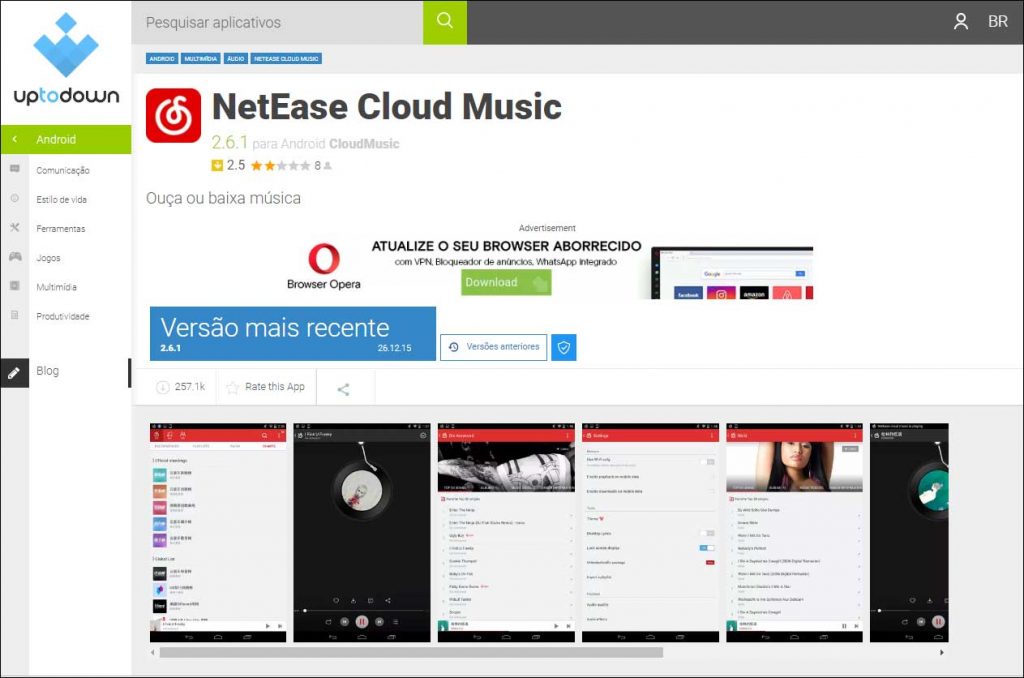
In effect, Alibaba will become a minority shareholder while NetEase will remain the platform's controlling shareholder.
Meanwhile, in Brazil, the company has just opened a temporary physical store.
Access and read also the post " How to set up an online store with products from China ".
ALIEXPRESS, FROM ALIBABA, OPENS A TEMPORARY STORE IN BRAZIL
AliExpress, a company owned by the Alibaba Group, recently opened a pop-up store (temporary physical store) in Brazil.
The establishment will operate until the beginning of October 2019 at the Mueller mall in Curitiba.
In that location, smartphones from Xiaomi , for example, are physically on display .
However, other electronic products such as headphones and speakers are on display only via online through interactive panels available on site.
Consumers can only buy virtually on their own smartphones, after scanning the QR Code of the product of interest.
A pop up store serves to sell products from a virtual store and promote the brand of an e-commerce in an offline environment.
Access and read the post “ e-Plus Ranking 2019 ” as well. This way, you can find out how often AliExpress is searched on the Brazilian internet.